Florida’s shoreline faces constant pressure from waves, tides, and storms. For decades, property owners have relied on seawalls to hold back the water and keep their land safe. But what exactly is a seawall, and how does it protect Florida’s coastlines? This guide explains the fundamentals and explores a smarter, more sustainable approach to coastal defense.
Understanding Seawalls
A seawall is a structure built along the shoreline to defend property and infrastructure from erosion and wave damage. It acts as a barrier between land and water, helping to stabilize the shoreline while protecting homes, docks, and other nearby structures. Seawalls are typically built parallel to the shore and run from the low water level of low tide to the high water level of high tide.
The purpose of a seawall is primarily to protect coastlines from the relentless forces of the ocean. These robust structures serve as a vital defense, shielding valuable land and infrastructure from erosion and flooding. In coastal regions like Florida, seawalls are especially important for mitigating the effects of storm surges and hurricanes.
How Seawalls Protect Florida Coastlines
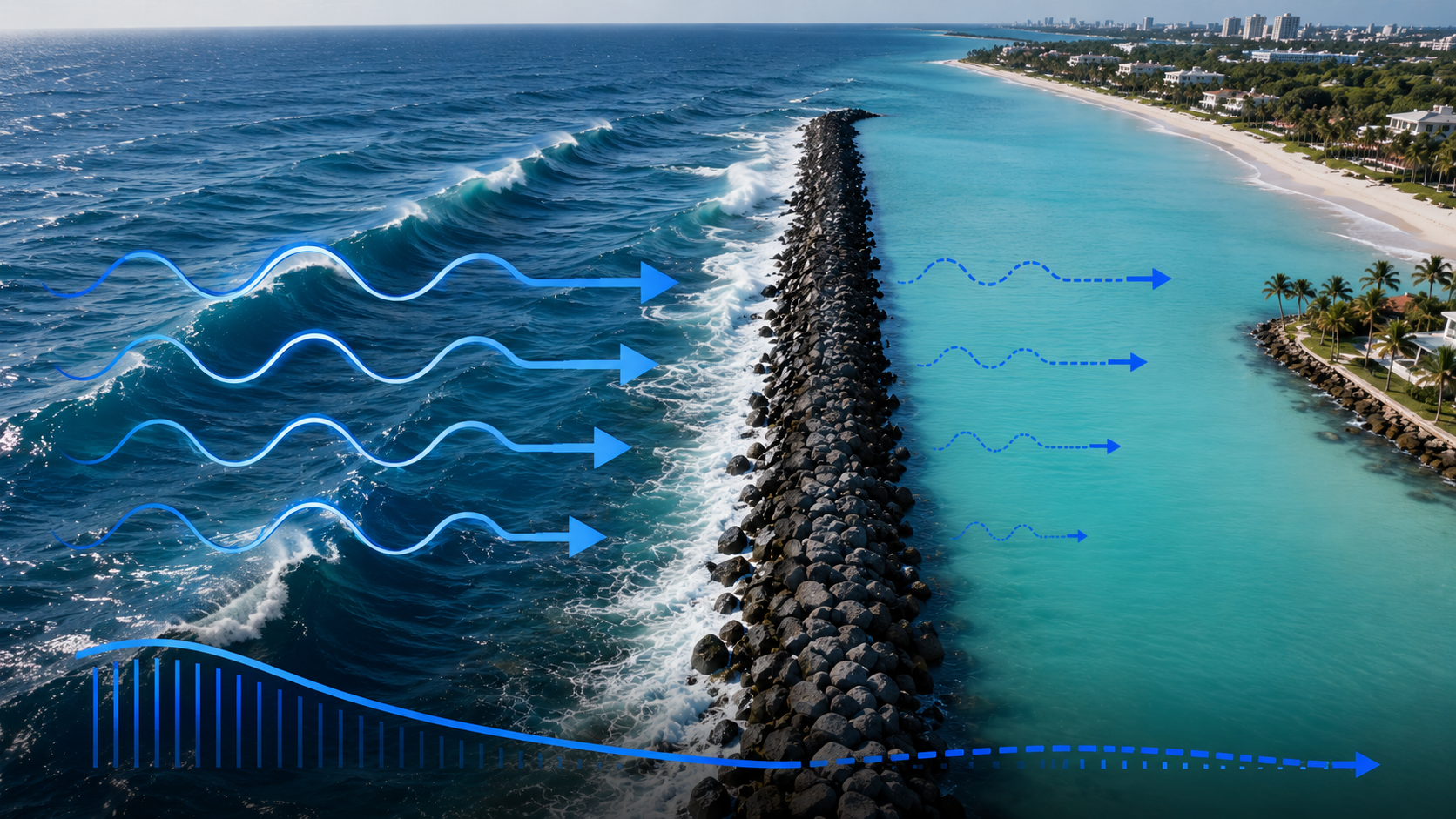
Seawalls are designed to minimize the eroding impact of heavy waves. They accomplish this by reducing the wave’s force before it reaches land. Seawalls redirect the wave energy back to the sea, reducing erosion while protecting land, structures, and inhabitants.
By blocking waves from hitting the coastline, seawalls stop water from entering properties or communities. They are also used as a method of shoreline stabilization, providing armoring against wave energy, sand flow, storm conditions, and superstorms.
Seawalls provide several key protections for Florida’s coast:
- Erosion control: Seawalls prevent the natural wearing away of the shoreline caused by waves and currents.
- Flood protection: They act as a barrier to block storm surges and high tides, reducing inland flooding.
- Property and infrastructure safeguard: Seawalls protect upland property, roads, and other critical structures built near the waterfront.
- Shoreline stabilization: They help maintain a fixed shoreline position, preventing land from sliding toward the sea.
Types of Seawalls
There are three primary types of seawalls used in Florida: riprap embankments and vertical seawalls. Each type offers unique advantages depending on your property’s location, the surrounding environment, and the level of wave exposure.
Vertical Seawalls
Vertical walls are upright and sturdy to block waves from damaging the coastline. They were some of the first types of seawalls built and continue to be important parts of many marinas and waterfront homes. Vertical walls protect the land from erosion over time by providing a shield from the force of incoming waves and currents.
Curved or Stepped Seawalls
Designed to take wave impact and reduce overtopping, these walls feature a curved top or stepped design that breaks wave energy, pushing it back out to sea or downwards to minimize erosion.
Riprap Embankments
Riprap embankments are used along shorelines that are continuously exposed to rushing water. This type of seawall is less expensive and best suited for low impact areas. A riprap embankment is basically a rubble mound with the side exposed to the sea covered in rocks, sandbags, stones, or concrete rubble. While less effective against large waves, riprap can help dissipate the energy of smaller waves.
Common Seawall Materials
Seawalls can be built from a variety of materials, and the best choice depends on wave energy, budget, location, and environmental factors. Here is a breakdown of the most common options used in Florida.
- Vinyl sheet piling: Vinyl is the most popular choice for residential seawalls. It resists corrosion from saltwater and does not rust, rot, or crack easily. With proper installation, a vinyl seawall can last over 50 years.
- Concrete: Concrete seawalls are valued for their strength and durability, especially in high-energy zones and industrial applications. They typically use reinforced steel rebar and can last over 30 years with proper maintenance.
- Steel: Steel seawalls offer exceptional strength for heavy-duty needs and deep foundations. They are commonly used in industrial settings. A steel seawall can last more than 25 years, but it requires protective coatings to prevent corrosion.
- Wood and timber: Wood is one of the traditional materials for seawalls and is best suited for low-energy areas where a natural look is desired. Wood seawalls have a shorter lifespan and require frequent replacement.
- Boulders and riprap: Riprap embankments use a rubble mound covered in rocks, stones, sandbags, or concrete rubble. They are inexpensive and work well in low-impact areas where wave energy is minimal.
Each material has its own tradeoffs between cost, longevity, environmental footprint, and visual appeal.
Environmental Challenges of Traditional Seawalls
While seawalls are effective at protecting property, traditional concrete and vinyl seawalls come with environmental drawbacks. These include:
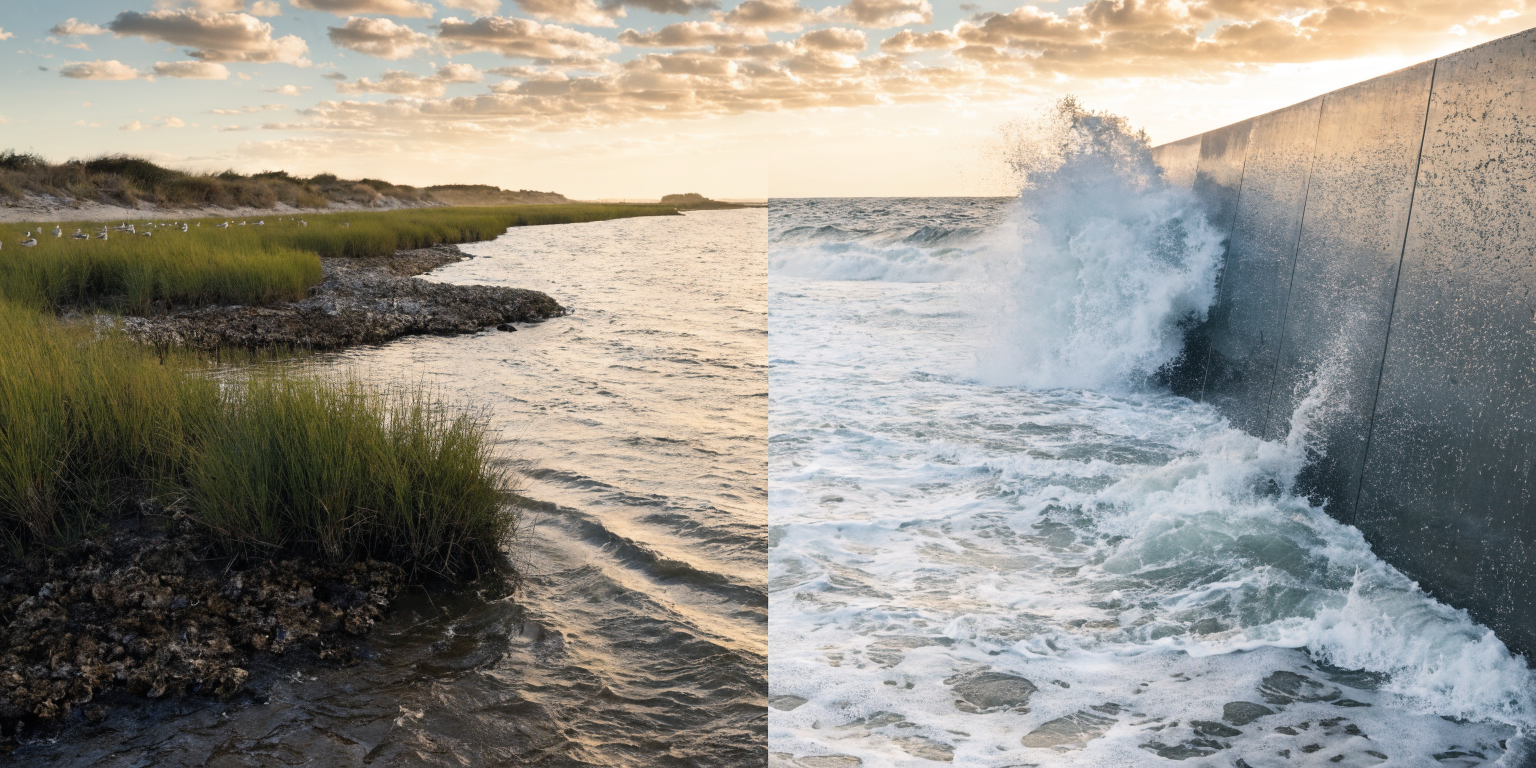
- Beach loss: Waves reflected off seawalls can accelerate erosion of the beach in front of the wall, causing it to narrow or disappear, reducing recreational space.
- Coastal squeeze: As sea levels rise, seawalls can prevent the inland migration of coastal ecosystems like salt marshes, a phenomenon known as coastal squeeze.
- Habitat disruption: Traditional seawalls can negatively impact local flora and fauna, altering shoreline habitats.
- Scouring at the base: Wave reflection can cause scour at the seawall’s base, potentially undermining its foundation and requiring costly repairs.
These environmental concerns have driven the search for more seawall designs that work with nature rather than against it.
A Smarter Solution for Florida Coastlines
We know that sea level rise is accelerating, and South Florida coastlines have changed dramatically due to urbanization. In many areas, mangroves have been replaced with concrete seawalls. Seawalls have not only been proven to be less effective at coastal protection and more costly than the mangroves they have replaced, but they also fail to support the marine creatures that once called mangrove ecosystems home.
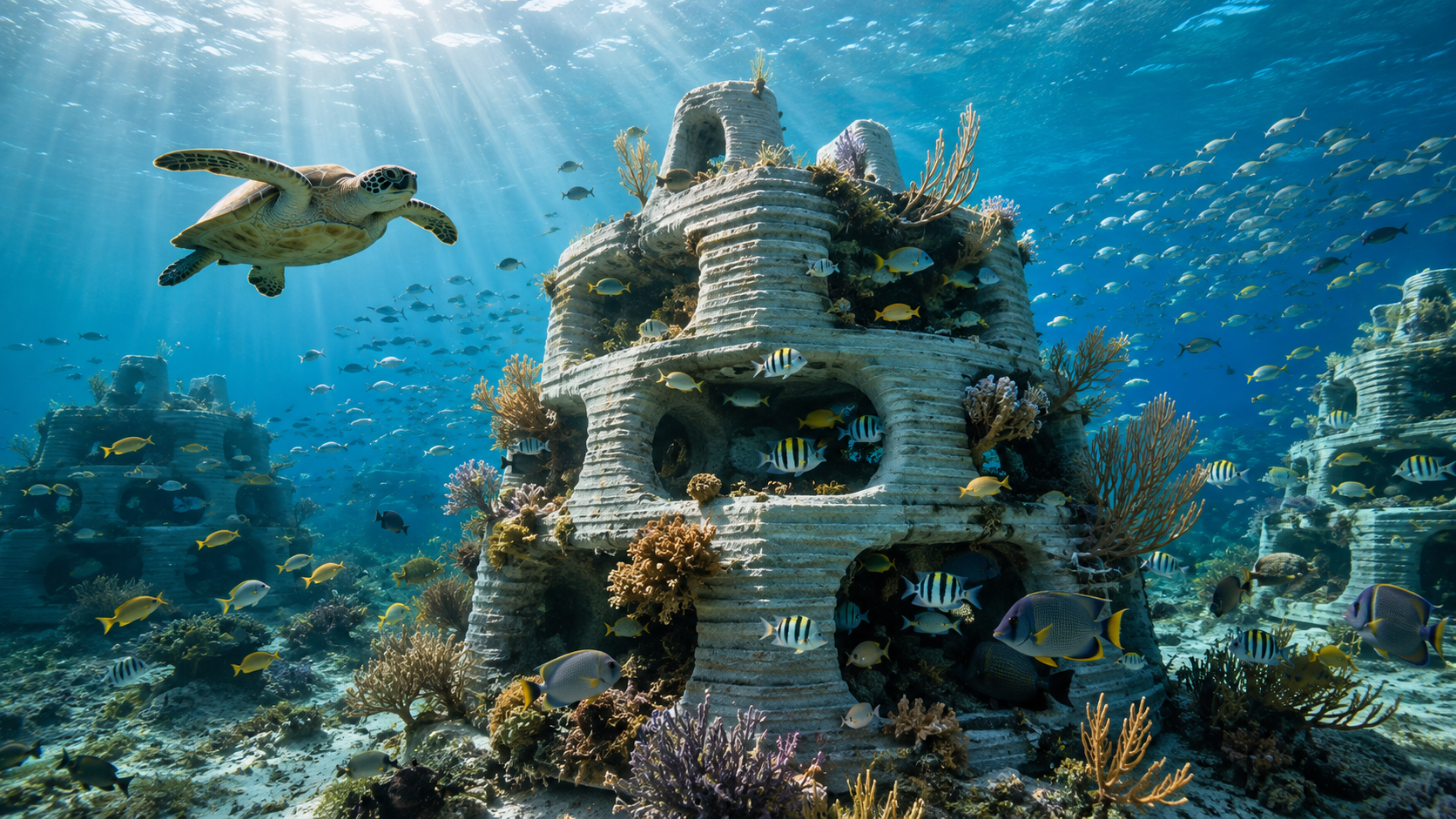
Miami based company Kind Designs has found a solution to this dilemma: Living Seawalls. These 3D printed concrete seawalls are shaped to resemble mangrove roots and offer 60 percent more surface area than a traditional concrete seawall. The irregular pattern of these Living Seawalls helps to dissipate wave energy while serving as an artificial reef for marine creatures to attach to.
Protecting Florida’s Coastlines for the Future
Seawalls remain a critical tool for protecting Florida’s coastlines from erosion, storm surge, and rising sea levels. However, not all seawalls are created equal. Traditional structures may shield property but at the cost of beach loss and habitat disruption. Modern innovations like Kind Designs’ Living Seawalls offer a way to achieve robust coastal protection while supporting marine life and improving water quality.
For property owners looking to safeguard their investment, the best choice is a seawall that performs like a traditional barrier and functions like a natural reef. This is the future of coastal protection for Florida’s coastlines.