Coastal communities are rethinking how they build along the water. What once served only as a hard barrier can now do more, offering protection while also creating value for marine life. This shift has brought renewed attention to structures that work with the ocean instead of simply resisting it. Artificial reefs are a big part of that conversation. An artificial reef is far more than a structure sunk to the seafloor. It represents a deliberate effort to restore marine habitat, defend shorelines, and spark new food webs in places where the natural reef system has been lost or never existed. This guide unpacks every layer of the concept, from basic definitions and material types to the ecological processes that make a reef thrive.
What Is an Artificial Reef?
An artificial reef is a man made structure placed in the water to create a place where marine life can gather, feed, and grow. In simple terms, it gives fish, oysters, algae, and other sea life a surface to attach to and shelter around when natural habitat is limited or damaged.
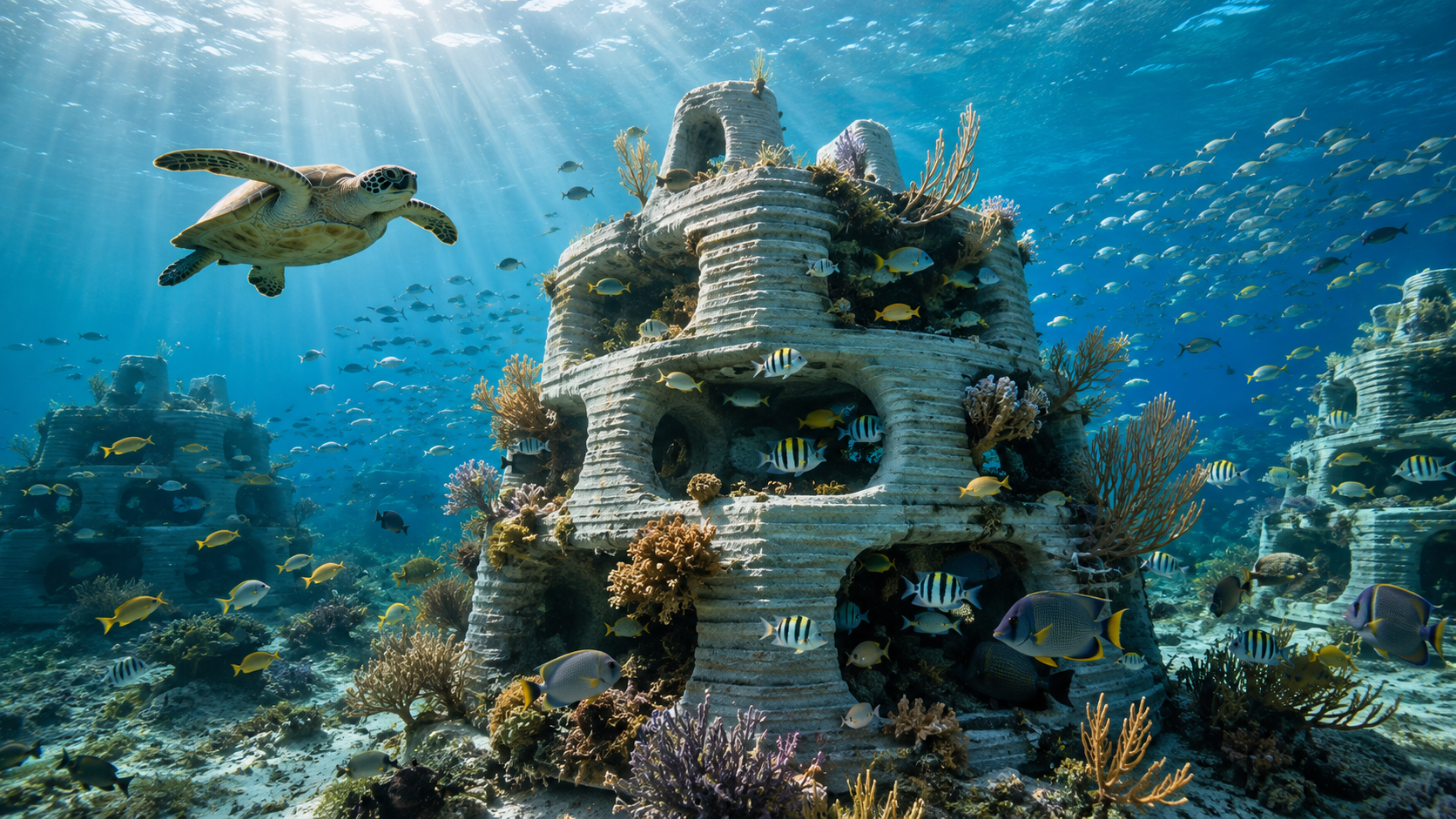
Natural reefs take a very long time to form. Some grow over hundreds of years. Artificial reefs are used to speed up habitat creation in areas where the seafloor or shoreline needs support. They can help improve biodiversity, support marine habitat restoration, and add structure to places that may otherwise be flat or lifeless underwater.
Traditionally, artificial reefs were made from materials like ship hulks, concrete, or other submerged objects. Some worked well. Others did not. Older materials can break down, shift, or introduce unwanted pollutants. That is one reason modern reef design is changing.
Today, artificial reefs can be built as part of coastal infrastructure. With biomimicry in marine design and 3D printed reef structures, it is possible to create forms that are safer, more durable, and better suited for marine life.
Types of Artificial Reefs
An artificial reef can take many forms, each with distinct materials, deployment methods, and ecological outcomes. Understanding these types clarifies why some projects succeed while others fail.
Wreck and Vessel Reefs
Sinking decommissioned ships, barges, or military vehicles has been a common approach for decades. These large steel structures offer instant relief and complex interior spaces. When cleaned properly of fuels, oils, and hazardous coatings, they function well as fish aggregation devices. However, cleanup is expensive and inconsistent. Poorly prepared wrecks leach pollutants, and steel corrosion eventually collapses the habitat over a few decades.
Concrete Module Reefs
Purpose built concrete units are the most widely used artificial reef type globally. Shapes include hollow cubes, domes, reef balls, and interlocking pyramids. These modules are stable, durable in saltwater, and can be deployed in clusters. The concrete’s rough, high pH surface encourages rapid colonization by coralline algae and shellfish. Modern formulations now include low carbon eco concrete and additives that reduce the carbon footprint without sacrificing longevity.
3D Printed and Biomimetic Reefs
This newer category uses digital design and additive manufacturing to create an artificial reef that directly borrows shapes from nature. 3D printed reef structures feature intricate textures, overhangs, crevices, and variable porosity at scales that benefit different species. A single unit might have smooth surfaces for seaweed attachment one side and a lattice of small tunnels for juvenile fish on the other. Biomimicry guides the process: the shapes replicate rock pools, mangrove root tangles, or coral heads, maximizing usable habitat space per cubic meter. Kind Designs, for example, applies these principles to living seawalls, embedding habitat panels into shoreline barriers.
Repurposed Material Reefs
Bridges, culverts, and demolition concrete have been used opportunistically. While affordable, these materials often lack the surface complexity to support biodiversity at multiple trophic levels. Some older projects using rubber tires illustrate the dangers of using unverified materials, as discussed later.
Hybrid Coastal Infrastructure Reefs
An artificial reef does not always sit offshore. It can be integrated directly into piers, breakwaters, and seawalls. Textured panels, tide pools cut into granite blocks, or precast habitat tiles on vertical walls all qualify. This approach turns necessary coastal armoring into productive marine real estate, a shift that is reshaping many urban waterfronts.
How Artificial Reefs Work
The success of an artificial reef follows a predictable ecological sequence rooted in hard substrate biology. Understanding this process reveals why the structure’s material, texture, and placement matter so much.
First, the bare surface hits the water. Within hours, bacteria and microalgae form a biofilm, a slimy layer that changes the surface chemistry and makes it easier for larger organisms to attach. Within days, barnacle larvae, bryozoans, and tube worms settle. These early colonizers create a rough texture that helps trap fine sediment and organic particles, further altering the microenvironment.
Within weeks to months, macroalgae and filter feeders like mussels and oysters cement themselves to the hard substrate. These species are ecosystem engineers because their physical presence provides three dimensional structure. Their shells, holdfasts, and byssal threads create micro nooks that shelter amphipods, small crabs, and juvenile fish. The reef begins to produce its own food web, fueled by plankton and detritus drifting in the current.
Fish arrive in stages. Small demersal species hide among the growing structure. Predatory fish follow, drawn by the concentration of prey. Over a year or two, the artificial reef achieves a stable community that mirrors a natural rocky reef in many ways, though species composition often reflects depth, location, and water temperature. The reef also alters local hydrodynamics. Its physical mass interrupts current flow, creating eddies on its leeward side where larvae and food particles accumulate, enhancing the recruitment of new organisms. This interplay of biology and physics is what makes an artificial reef more than just a pile of rocks.
Key Benefits of Artificial Reefs
Artificial reefs do more than add structure to the seabed. When designed well, they can support marine life, protect shorelines, and improve the health of nearby waters. That is why they are now part of many conversations about eco friendly marine infrastructure and sustainable seawall solutions.
Marine Habitat Restoration
The most cited benefit is providing new living space for marine organisms. In regions where trawling, dredging, or coastal development have flattened or buried natural reefs, an artificial reef can rebuild the lost three dimensional complexity. Over time, species richness often climbs, and the structure becomes a source of larvae that can replenish depleted nearby areas.
Biodiversity Enhancement
By offering varied microhabitats (vertical walls, shaded overhangs, small diameter holes, coarse surfaces), a well designed artificial reef supports a broader range of species than a smooth block would. Crustaceans, echinoderms, mollusks, and fish of all sizes can coexist, increasing overall biodiversity.
Coastal Erosion Control and Wave Energy Mitigation
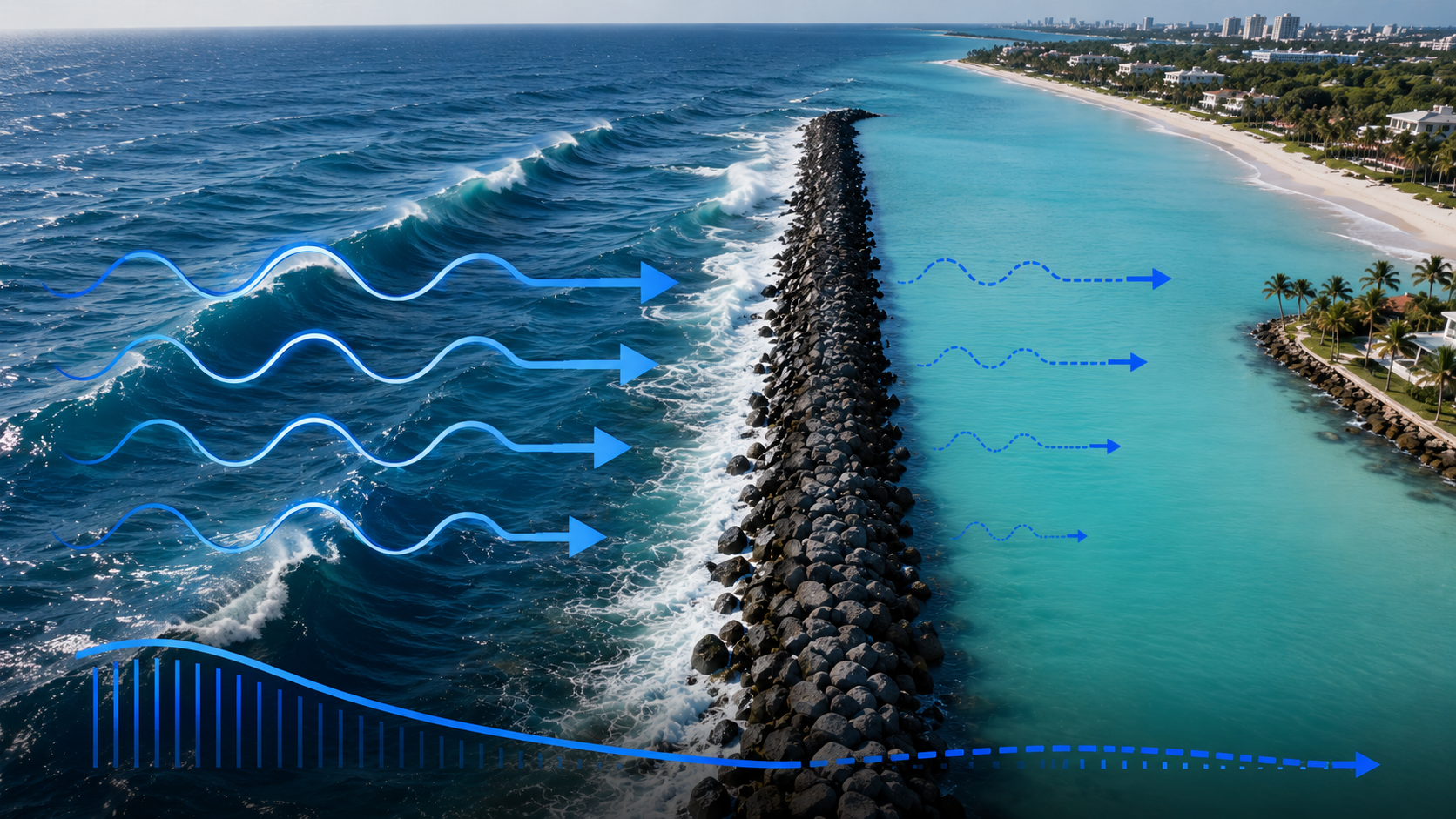
An artificial reef placed parallel to shore acts as a submerged breakwater. It forces incoming waves to break earlier, dissipating energy before the wave hits the beach or seawall. This reduces scouring at the base of coastal structures and slows the loss of sand. Unlike solid breakwaters, a permeable reef still allows some water flow, which helps maintain water exchange and prevents stagnation.
Improved Water Quality
Filter feeding organisms that colonize the reef, especially oysters, mussels, and barnacles, extract suspended solids, algae, and even some pollutants from the water column. A dense population of bivalves on an artificial reef can filter a substantial volume of water each day, improving clarity and reducing the conditions that cause algal blooms.
Socioeconomic Value
Fisheries benefit because many commercially and recreationally important fish associate with reef structures. Anglers target these sites. Dive tourism often follows large or accessible artificial reefs, creating an economic asset for nearby communities. In some regions, artificial reef programs are funded jointly by fishing groups and government agencies specifically to boost local economies.
Potential Downsides & Controversies
No artificial reef is without risk. Honest assessment of these drawbacks is essential for any credible overview of the topic.
Toxic Material Leaching
The most infamous artificial reef failures involve rubber tires. In the 1970s, a large tire reef project off Florida failed spectacularly when bundles broke apart, tires moved with storms, and very little marine life attached. More critically, some salvaged vessels and industrial waste used as reefs leached heavy metals, hydrocarbons, and other toxins, poisoning benthic communities rather than supporting them. Modern projects must use inert, certified clean materials to avoid this outcome.
The Attraction vs. Production Debate
Marine biologists have long debated whether an artificial reef simply concentrates fish that already existed nearby (attraction) or actually increases the total population (production). If the reef merely pulls fish from adjacent natural habitat, it could make those populations more vulnerable to fishing pressure without yielding a net gain in abundance. Evidence for both sides exists, and the outcome often depends on the reef’s design, location, and whether fishing regulations around it are enforced.
Physical Instability and Navigation Hazards
Poorly anchored artificial reefs can shift during storms, breaking apart and littering the seafloor. Structures placed in shallower than intended water have also become hazards for small vessels. Proper engineering and site selection are necessary to keep the reef in place and at a safe depth.
Altered Species Composition
An artificial reef does not always replicate the community of a natural reef. It may favor fast growing, weedy species or invasive organisms that outcompete native ones. In some cases, the reef becomes dominated by a single aggressive species, which reduces overall biodiversity. Designing the reef with varied, targeted textures can mitigate this, but it requires careful biological input during the planning phase.
Maintenance Over Time
An artificial reef is not a “set it and forget it” solution. Concrete can crack. Steel can corrode. Storms can dislodge units. Monitoring and occasional repairs add cost. Failing to budget for long term maintenance can turn a well intentioned project into underwater debris.
How Artificial Reefs Are Being Used Along the Coastline
Artificial reefs are not limited to offshore habitat projects. They can also be built into shoreline infrastructure, where they support marine life and help protect property at the same time. This is where the idea becomes especially practical for coastal communities, developers, and property owners.
Protecting Coastal Properties with Living Seawalls
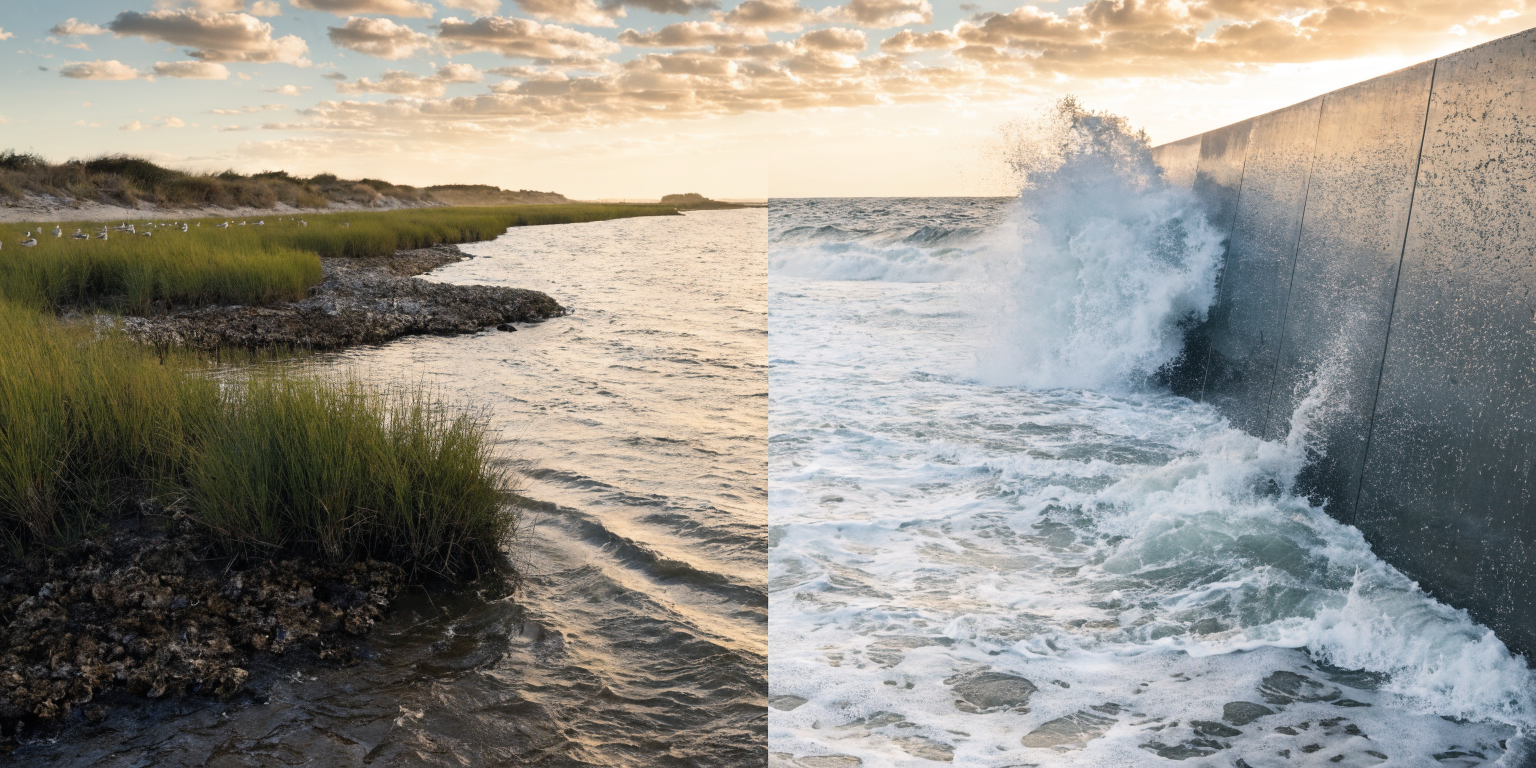
A seawall does not have to be a flat concrete barrier with no ecological value. With the right design, it can become a living structure that supports marine growth while still doing its job of protecting the shoreline. That is the idea behind Living Seawalls.
By using biomimicry in marine design, these seawalls are shaped to function like vertical artificial reefs. Their textured surfaces, ridges, and cavities create space for marine organisms to settle, which turns an ordinary wall into a habitat supporting structure. For properties exposed to tides, wake action, and storm pressure, this can be a smart way to combine coastal erosion control with biodiversity enhancement.
Eco Friendly Seawall Construction for Municipalities
Cities and private owners are under more pressure than ever to build infrastructure that protects land without ignoring the surrounding environment. That is why many are exploring sustainable seawall solutions that meet shoreline protection needs while also supporting marine ecosystem conservation.
Through seawall construction, municipalities and property owners can move toward eco-friendly marine infrastructure that is built for strength, function, and habitat value. This approach helps fortify shorelines, reduce wave impact, and align with environmental standards that are becoming more important in public and private coastal projects.
Partner with Kind Designs for Sustainable Marine Infrastructure
If you are planning a coastal project, artificial reef thinking should be part of the conversation from the start. Kind Designs creates 3D printed seawalls and living seawalls that support marine habitat restoration while helping protect coastal properties.
For developers, municipalities, and property owners looking for a better way to build along the water, Kind Designs offers a practical path forward. Explore sustainable marine infrastructure that works with the coast, not against it.